As Afghanistan marks five years since the Taliban’s return to power, the group’s influence has profoundly reshaped the nation’s landscape. Following a rapid takeover in August 2021, the Taliban has sought to consolidate its hold over various aspects of Afghan life, from governance and education to technology and personal freedoms. The BBC’s exploration into these changes reveals both the overt and subtle methods the Taliban employs to exercise control.
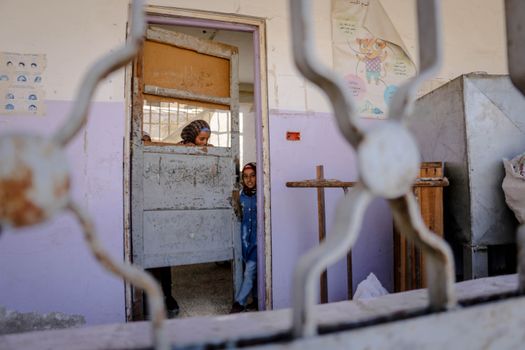
The Taliban’s governance model prioritizes ideological conformity and strict adherence to its interpretation of Islamic law, significantly altering daily life for millions of Afghans. For instance, women and girls face severe restrictions on education, employment, and movement, effectively sidelining half the population from contributing to society. Reports indicate that girls’ education has dropped by nearly 80% since the Taliban’s return, with many schools remaining closed or severely limited in capacity.
What Happened
The Taliban’s resurgence has led to the implementation of stringent laws governing personal conduct, including regulations on divorce and smartphone usage. These measures reflect the group’s broader objective of enforcing a conservative social order. The BBC highlights how the Taliban has adopted control mechanisms that extend into the personal lives of Afghan citizens, enforcing rules that dictate how individuals interact with technology and each other.
Smartphones, once symbols of connectivity and progress, are now viewed with suspicion by the Taliban. Reports suggest that the group monitors digital communications and restricts access to certain applications. This has resulted in a chilling effect on communication, as citizens fear surveillance and possible repercussions for expressing dissenting opinions or engaging in behaviors deemed inappropriate.
Why It Happened
The roots of the Taliban’s return to power can be traced back to the U.S. withdrawal from Afghanistan in 2021. The chaotic exit, coupled with the weakened Afghan government, created a power vacuum that the Taliban exploited to retake control. Over the past two decades, various factors, including corruption, ineffective governance, and economic instability, had eroded the Afghan state, making it vulnerable to insurgent movements.
Moreover, the Taliban has effectively capitalized on nationalist sentiments and disillusionment with foreign interventions. While many Afghans initially welcomed the prospect of democracy and modernity, the ongoing violence and instability led some to view the Taliban as a stabilizing force, despite its draconian policies. This complex interplay of local grievances and geopolitical dynamics has facilitated the Taliban’s resurgence and enabled its control over the country.
What the Data Shows
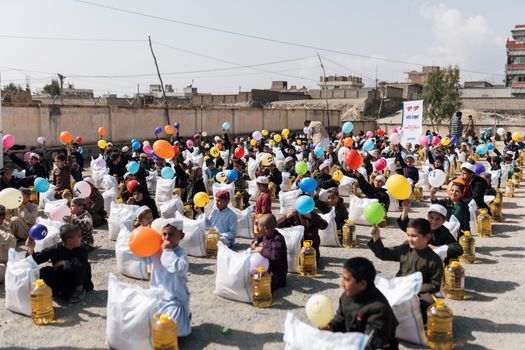
Statistics paint a grim picture of life under Taliban rule. A report by UNICEF indicates that over 13 million children are out of school, with girls disproportionately affected (UNICEF, 2023). Furthermore, the World Bank has noted that Afghanistan’s economy contracted by 30% in the past two years, fueled in part by sanctions and the cessation of international aid (World Bank, 2023).
Additionally, the prevalence of poverty has surged, with around 97% of Afghans now living below the poverty line, according to the UN Development Programme (UNDP, 2023). As the Taliban implements its policies, these economic crises compound the social challenges facing the population, leading to increased despair and limited opportunities for improvement.
What Experts Say
No verified expert commentary was available at publication time. We will update this section as statements emerge.
What Happens Next
As Afghanistan continues to navigate life under the Taliban, international observers will be closely monitoring the group’s adherence to its promises regarding governance and human rights. With several countries, including the United States and EU members, still imposing sanctions, the Taliban faces significant pressure to demonstrate a commitment to reform.
Key upcoming events include potential negotiations over humanitarian aid and discussions on the recognition of the Taliban government. These diplomatic efforts may shape the future trajectory of Afghanistan, particularly concerning economic recovery and the return of international support.
Bottom Line
The Taliban’s control over Afghanistan has fundamentally altered its social and economic landscape, impacting millions of lives. For the global community, these developments raise critical questions about the future of governance and human rights in the region, urging a reevaluation of engagement strategies.
Source: Read original article