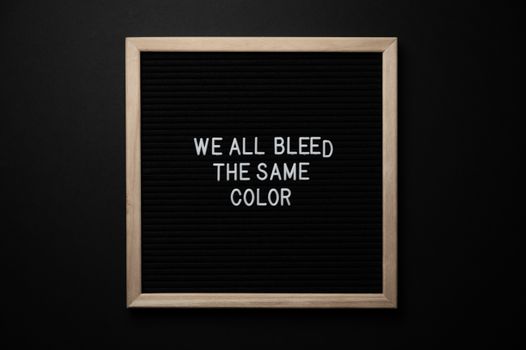
Imagine being sidelined for ten matches simply for a discriminatory remark. Sounds harsh, right? Well, that’s the new reality for players in the English football scene.
The Football Association (FA) has just announced a significant overhaul of its disciplinary measures aimed at tackling discrimination on the pitch. Players found guilty of such offenses will now face a minimum ban of ten games—an unprecedented step in the fight for equality in sports.
Why Now?
This move comes on the heels of increasing scrutiny of racism and other forms of discrimination in football. The sport has endured numerous scandals that have sparked outrage among fans and players alike. The FA’s decision reflects a growing consensus that tougher measures are necessary to create a safe and inclusive environment.
Critics have long argued that previous penalties were too lenient, often resulting in mere slaps on the wrist. With this new rule, the FA is signaling that discriminatory behavior will no longer be tolerated on any level.
The New Rules Explained
Under the new regulations, any player found guilty of discriminatory conduct will face a minimum of ten matches on the sidelines. This applies to language, gestures, or any actions deemed discriminatory against individuals or groups.
The FA aims to implement these rules with immediate effect, emphasizing the need for swift action against discrimination. The organization’s leadership wants to ensure that players understand the seriousness of their actions and the impact they can have on society.
What Happens Next?
So, what does this mean for players and clubs? For players, it’s a clear warning: think before you act. A slip of the tongue could lead to a lengthy absence from the game they love.
Clubs, on the other hand, will need to step up their training and education regarding inclusivity and respect. The FA expects teams to take proactive measures to prevent discrimination, meaning that awareness campaigns and workshops could become commonplace.
Why This Matters
This change is not just about football; it sends a message to society as a whole. Discrimination has no place in sports or anywhere else. By enforcing stricter penalties, the FA aims to foster a culture where respect is paramount.
Moreover, this could encourage other sports organizations worldwide to reconsider their policies on discrimination, creating a ripple effect that could lead to broader changes across various athletic fields.
Final Thoughts
The FA’s decision to impose a minimum ten-match ban for discrimination marks a pivotal moment in football’s ongoing battle against inequality. It’s a bold statement that prioritizes respect and inclusivity—but the real test will be in its enforcement.
Will this new rule change the culture of football, or is it just another empty promise? Only time will tell, but one thing is for sure: the football community is watching closely.
Source: Read original article