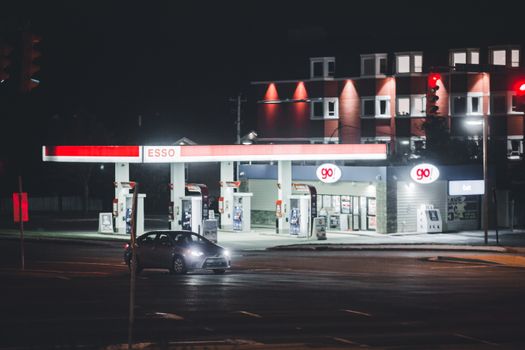
Since the war in Iran escalated, UK forecourts have become the target of an alarming crime wave. Almost £200,000 worth of fuel is being stolen every single day.
That’s right—fuel thefts have shot up by a staggering 20% in just five months. What’s driving this surge? And how does it impact all of us?
Fuel Theft: The Shocking Numbers
Imagine rolling up to a petrol station and seeing thieves filling their tanks for free. This isn’t a scene from a heist movie; it’s happening across the UK at an unprecedented scale.
Analysis shows that the spike in thefts correlates directly with geopolitical tensions. The turmoil in Iran has sent shockwaves through the oil market, leaving many consumers anxious about rising prices.
The Impact on Consumers
As fuel prices soar, many people are forced to make tough decisions. With the cost of living already stretching budgets thin, fuel theft directly affects the prices at the pump.
Increased theft means that petrol stations may need to raise their prices to cover losses. This creates a vicious cycle: higher prices lead to more desperate measures, including stealing fuel.
Why This Matters
This isn’t just about gas stations suffering losses. It’s about all of us feeling the pinch. As the cost of fuel goes up, so does the price of goods and services that rely on transportation.
Imagine paying more for groceries or essentials simply because fuel theft is skyrocketing. If it continues unchecked, the ramifications could ripple through the economy.
What Happens Next?
Authorities are scrambling to combat this crisis, but it’s a tough battle. Increased security measures at forecourts may help curb theft, but the focus also needs to be on addressing the root causes.
As the situation evolves, consumers need to stay informed. Keep an eye on fuel prices and local reports on thefts. Awareness is the first step toward finding solutions.
Fuel theft is more than just a petty crime—it’s a symptom of larger issues affecting our economy and daily lives. Understanding the driving forces behind this trend can help us prepare for the challenges ahead.
Source: Read original article