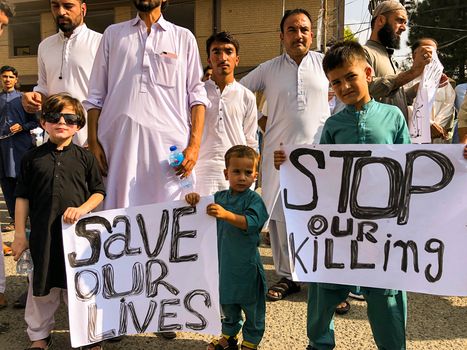
In an unprecedented show of solidarity, eight Muslim countries have banded together to condemn the ongoing Israeli actions in the Gaza Strip. Their joint statement is not just a diplomatic gesture; it’s a powerful reminder of the escalating humanitarian crisis in one of the world’s most volatile regions.
Who Are the Countries Involved?
The coalition includes Pakistan, Egypt, Turkiye, Indonesia, Jordan, Qatar, Saudi Arabia, and the United Arab Emirates. This group represents a significant portion of the Muslim world, and their collective condemnation highlights a growing frustration over Israel’s actions.
The Accusations: A Breach of International Law
According to the Foreign Office (FO) of Pakistan, these nations have labeled Israel’s behavior as a “clear breach” of international humanitarian law and relevant United Nations resolutions. This isn’t just rhetoric; it reflects deep-seated concerns about human rights violations and the safety of civilians in Gaza.
The Humanitarian Crisis
The statement emphasizes the severe humanitarian crisis engulfing Gaza. Hospitals are overwhelmed, and basic resources are scarce. The ministers articulated their outrage particularly towards the targeting of healthcare facilities, which should be sanctuaries in times of conflict.
What Prompted This Joint Statement?
The timing of this coalition’s statement coincides with the controversial peace plan put forth by former President Donald Trump, which has often been criticized for sidelining Palestinian rights. The foreign ministers expressed their opposition to any proposals that fail to address the root causes of the conflict.
Why This Matters
This unified stance from eight Muslim nations sends a clear message to the international community: they are not willing to remain silent while humanitarian violations occur. It raises questions about the effectiveness of current diplomatic efforts and the potential for escalated tensions in the region.
What Happens Next?
The world will be watching closely to see how Israel responds to this unprecedented condemnation. Will it lead to increased international pressure for a peaceful resolution? Or could it escalate tensions even further? As the situation unfolds, the focus will likely shift towards how global powers react to this united front.
This moment exemplifies the complexities of international relations in the Middle East and reinforces the need for a comprehensive approach to achieve lasting peace.
Source: Read original article