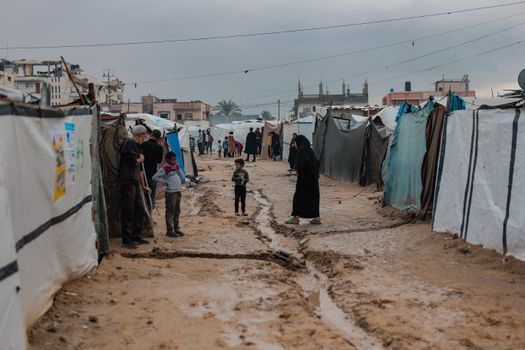
More than 1,000 migrant children are facing starvation in Ceuta, Spain’s North African enclave. How did it come to this?
As families risk everything to escape dire conditions in their home countries, these vulnerable children are left in makeshift shelters, often without access to basic necessities like food and clean water.
Ceuta has become a hotspot for asylum seekers, with the number of arrivals skyrocketing in recent months. Local officials and aid organizations are overwhelmed, struggling to provide adequate support for the growing population.
Conditions in Ceuta: A Dire Situation
The makeshift shelters where these children are housed lack proper sanitation and safety measures. Reports indicate that many children have gone days without food, relying on the kindness of strangers and local organizations for sustenance.
With limited resources available, humanitarian groups are calling for immediate action. The situation is not just a local issue; it’s a humanitarian crisis that has captured the attention of the world.
The Human Cost of Asylum Seeking
Behind the statistics are real lives and heart-wrenching stories. Many of these children have traveled thousands of miles, fleeing violence, poverty, and persecution. Their journey to Ceuta is fraught with danger, and the suffering continues once they arrive.
As the number of asylum seekers continues to rise, so does the urgency for governments to address the underlying issues driving this migration. The need for a sustainable solution has never been greater.
Why It Matters
This situation highlights a critical gap in the global response to displacement. Children are the most affected, and their rights to safety and nourishment are being overlooked amid the political rhetoric surrounding immigration.
Addressing this crisis is not just about immediate relief; it’s about ensuring a future where these children can thrive. Failure to act risks further destabilizing the region and perpetuating cycles of poverty and violence.
What Happens Next?
Local governments and international organizations are under pressure to respond. Calls for increased funding and resources are growing, but can they keep up with the surge?
As the weather turns colder, the stakes become higher. Immediate action is needed not only to provide food and shelter but also to create long-term solutions that address the root causes of migration.
Bottom Line
The plight of migrant children in Ceuta is a stark reminder of the urgent need for humane policies and practices in the face of a growing asylum crisis. As we witness this unfolding tragedy, it’s vital to advocate for the rights and welfare of these vulnerable individuals.
Change is necessary, and it starts with awareness. The world is watching, and it’s time to act.
Source: Read original article