High blood pressure, or hypertension, affects nearly 47% of adults in the U.S., yet many remain unaware of the warning signs. Ignoring these symptoms can lead to severe health complications, including heart disease and stroke. Here’s the thing: recognizing these high blood pressure signs could save your life.
1. Frequent Headaches
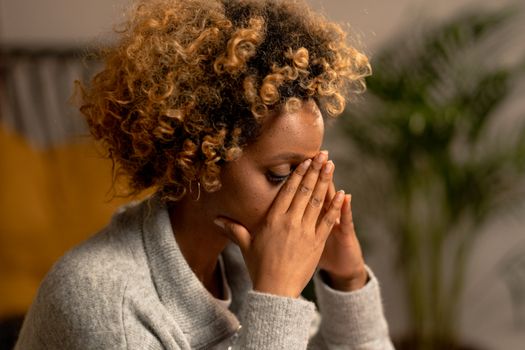
Many people dismiss headaches as just another part of life. However, frequent and severe headaches can signal high blood pressure. Studies show that around 30% of individuals with hypertension report chronic headaches. If headaches are becoming a regular occurrence, it’s time to check your blood pressure.
2. Dizziness or Lightheadedness
Feeling dizzy or lightheaded can be caused by various issues, but it’s also a common symptom of high blood pressure. Sudden dizziness might indicate a dangerous spike in blood pressure. If you experience this, sit down and monitor your readings.
3. Blurred Vision
High blood pressure can affect your vision. If you notice blurriness or see spots, it might be due to hypertension impacting the blood vessels in your eyes. Approximately 40% of people with high blood pressure will experience some form of vision problem. Don’t ignore these signs; consult a healthcare professional promptly.
4. Shortness of Breath
Are you getting winded more easily than before? Shortness of breath can be a significant indicator of high blood pressure. It may cause your heart to work harder, leading to conditions like heart failure. Regular aerobic exercise can help manage blood pressure and improve overall heart health.
5. Chest Pain
Chest pain is often associated with heart issues, but it can also indicate high blood pressure. If you experience persistent chest pain, seek medical attention immediately. Timely intervention can prevent serious complications. In the U.S., nearly 700,000 people die from heart disease each year, emphasizing the need for vigilance.
6. Nosebleeds
While occasional nosebleeds can be normal, frequent occurrences may signal hypertension. High blood pressure can weaken blood vessels in the nose, leading to spontaneous bleeding. If you notice an uptick in nosebleeds, get your blood pressure checked. It’s a simple measure that could save your health.
7. Fatigue
Feeling unusually tired? Chronic fatigue can sometimes be linked to high blood pressure as your heart struggles to pump effectively. If you’re experiencing unexplained exhaustion, it’s essential to evaluate your blood pressure—especially if you have other symptoms.
Taking charge of your health starts today. You can monitor your blood pressure at home with a digital sphygmomanometer, available for as low as $30 at drugstores or online. If you notice concerning signs, contact your healthcare provider for a comprehensive evaluation.
Final Thoughts
High blood pressure signs often go unnoticed until it’s too late. By recognizing the symptoms and taking proactive steps, you can safeguard your health. Regular check-ups and lifestyle changes, such as a balanced diet and regular exercise, can significantly impact your wellbeing. Don’t ignore the signs; be proactive for a healthier life.