
Studying in the United States remains a top choice for international students in 2026, with over a million pursuing degrees at world-class universities. The primary visa is the F-1 student visa for academic programs, while M-1 covers vocational studies and J-1 is for exchange programs. Navigating the US student visa process requires careful preparation, especially with potential updates to policies and varying interview wait times.
Types of US Student Visas
- F-1 Visa: For full-time academic students at SEVP-certified schools (universities, colleges, high schools, language programs).
- M-1 Visa: For vocational or non-academic training.
- J-1 Visa: For exchange visitors, including scholars and interns.
The F-1 visa is the most common for degree-seeking international students.
Requirements for US Student Visa in 2026
To qualify:
- Acceptance to a Student and Exchange Visitor Program (SEVP)-certified school.
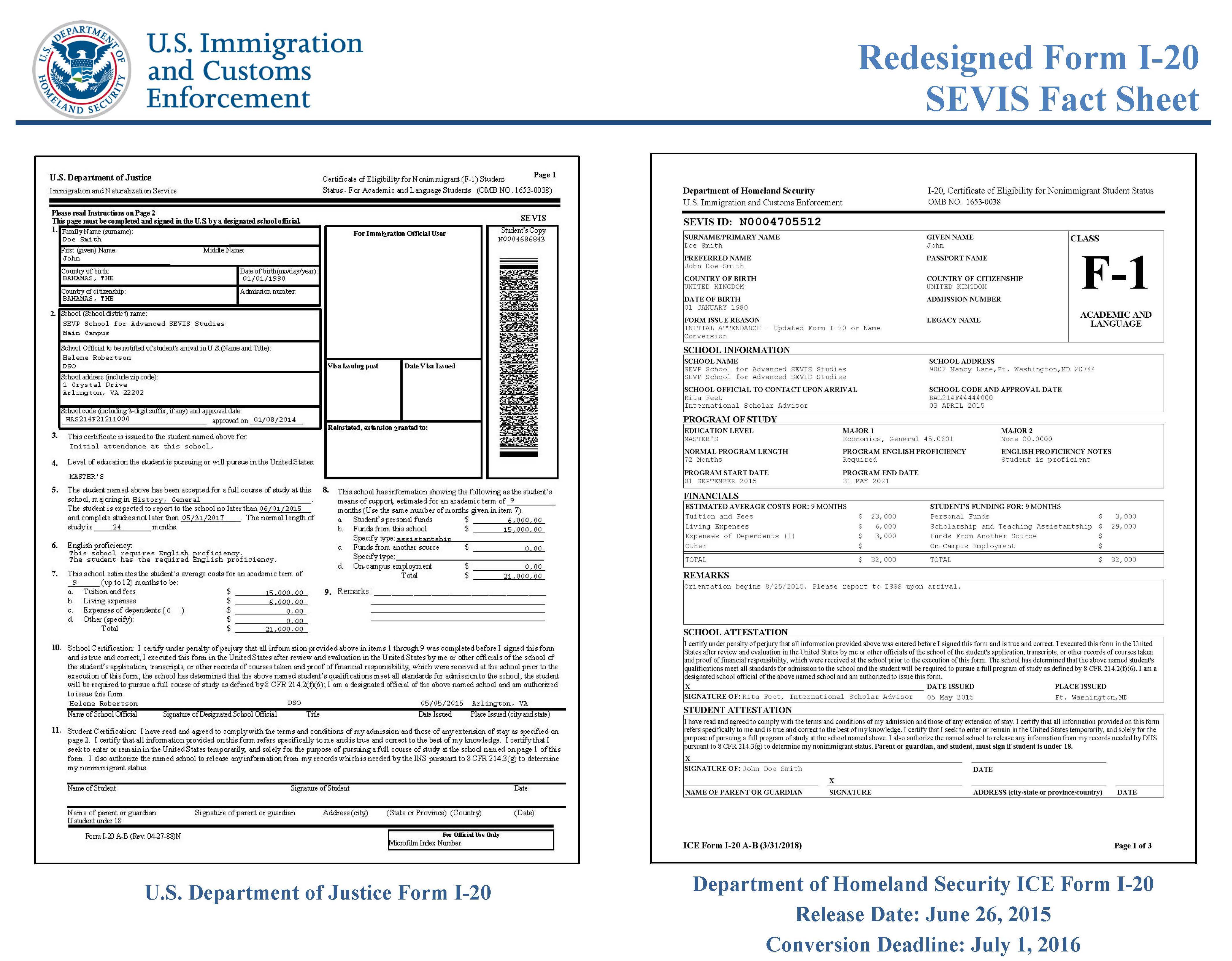
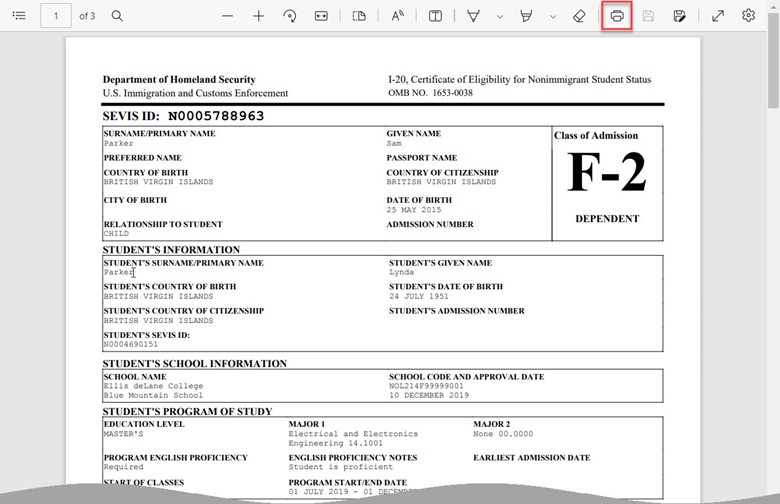
- Form I-20 (Certificate of Eligibility) issued by the school.
- Proof of financial support for tuition, living expenses, and return travel.
- Strong ties to your home country (intent to return after studies).
- Proficiency in English (or enrollment in language courses).
- Valid passport.
In 2026, expect continued emphasis on compliance, with potential stricter oversight on enrollment and progress.

Step-by-Step Guide to Apply for F-1 Student Visa in 2026
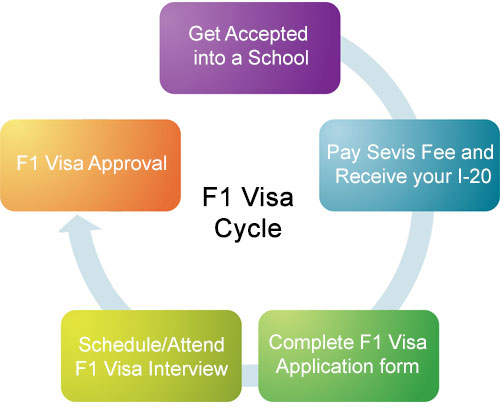
- Get Accepted and Receive I-20:
- Apply and get admitted to an SEVP-certified school.
- School issues Form I-20 after you provide financial proof.
- Pay SEVIS Fee:
- Pay the $350 I-901 SEVIS fee online at fmjfee.com.
- Complete DS-160 Online Application:
- Fill the nonimmigrant visa application at ceac.state.gov.
- Upload a compliant photo and note your confirmation number.
- Pay Visa Application Fee:
- Typically $185 (MRV fee)—check local amount.
- Schedule Visa Interview:
- Book at the US embassy/consulate via ustraveldocs.com or local portal.
- Wait times vary: Check travel.state.gov for current estimates (some locations improved in late 2025, others extended into 2026 due to enhanced screening).
![F-1 Visas Explained: Requirements, Application & Interview [2024]](https://stilt.com/wp-content/uploads/2024/04/F1-Visa-Application-Process-1024x576.png "US Student Visa for International Students 2026: F-1 Visa Guide and Application Process 8")
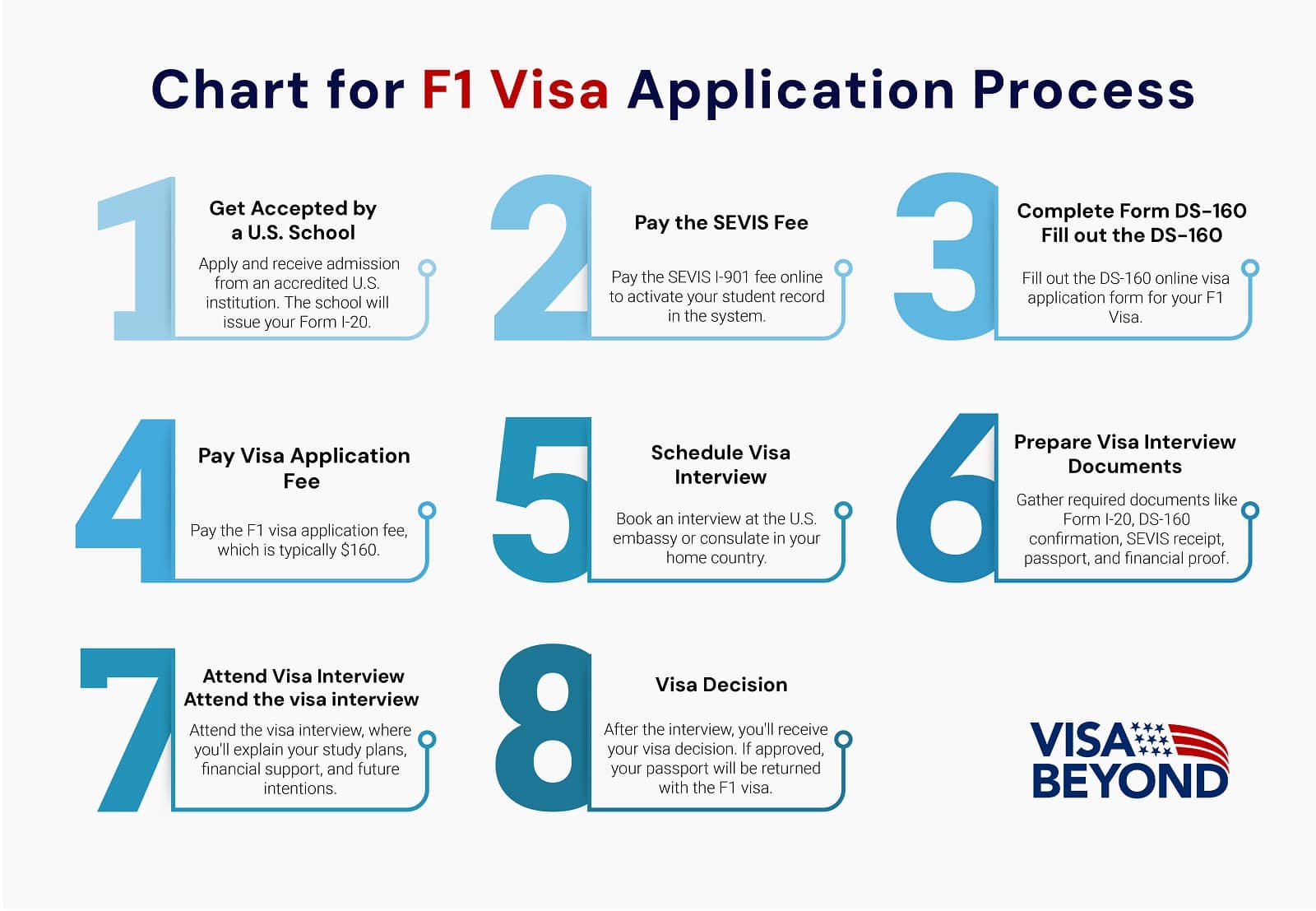
- Attend Interview:
- Bring: DS-160 confirmation, I-20, SEVIS receipt, passport, financial docs, school acceptance letter.
- Most applicants now require in-person interviews (waivers limited since September 2025).


- Visa Approval and Entry:
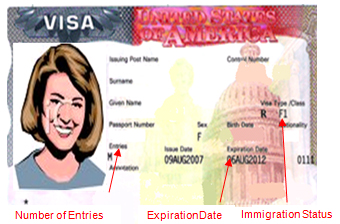
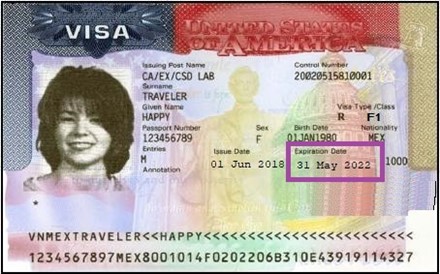
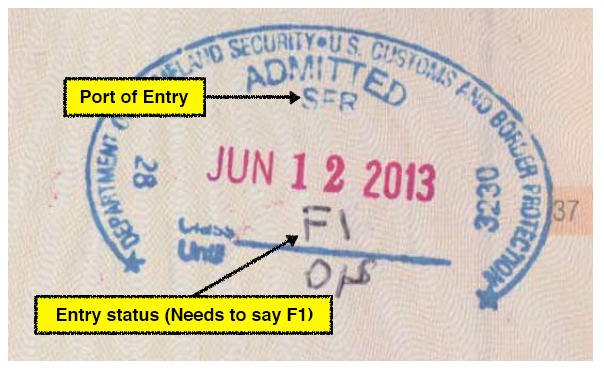
- If approved, visa stamped in passport (issued up to 365 days before program start).
- Enter US no earlier than 30 days before program start.
Tips for Successful US Student Visa Approval
- Demonstrate nonimmigrant intent: Show ties like family, job, or property at home.
- Prepare clear financial evidence.
- Practice interview questions (e.g., study plans, funding, post-graduation intentions).
- Apply early—wait times can push appointments into 2026.
- Monitor updates on travel.state.gov.
Work Options for F-1 Students
- On-campus employment (limited hours).
- Curricular Practical Training (CPT) and Optional Practical Training (OPT) for off-campus work related to studies.
- STEM extensions available for eligible fields.
Start your US student visa application today for a smooth 2026 entry. Consult official sources like travel.state.gov or your school’s international office for the latest guidance. Your American education adventure awaits!