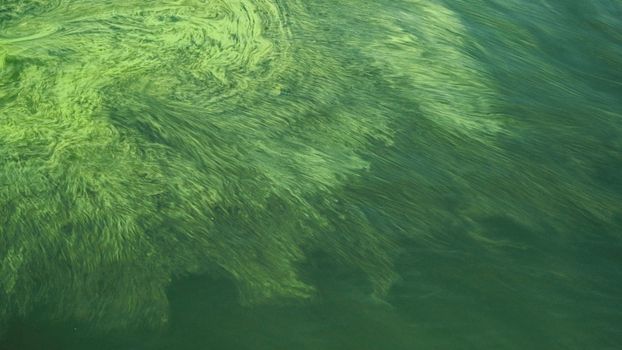
Imagine having an amusement park full of exhilarating rides but being forced to keep the gates closed. This is the grim reality faced by Northern Ireland as it grapples with a staggering 245 algae blooms across its waterways.
The Algae Epidemic
These blooms are not just unsightly; they pose serious health risks to humans and wildlife alike. Toxic algae can produce harmful effects ranging from skin rashes to severe neurological issues. In a region known for its breathtaking lakes and rivers, this is a crisis that can’t be ignored.
What’s Causing This Surge?
Several factors contribute to this alarming phenomenon: warm temperatures, nutrient runoff from agriculture, and urban pollution. Together, they create a perfect storm for algae growth, turning once-pristine waters into a no-go zone.
Authorities are on high alert, monitoring water quality and issuing advisories to keep residents safe. But with 245 affected areas, can they keep up?
The Economic Fallout
Local businesses that rely on water-based activities are feeling the pinch. Kayaking tours, fishing expeditions, and recreational swimming have all taken a hit. It’s like watching an entire industry go down the drain.
For a region that thrives on tourism, these closures could mean significant financial losses. Dive shops, boat rentals, and eateries around the lakes are already reporting dwindling customers.
Why This Matters
This crisis isn’t just an environmental concern; it’s a community issue. Families that depend on these waterways for leisure and livelihood are now staring at a bleak summer ahead. The emotional toll of losing access to nature’s beauty cannot be underestimated.
Moreover, the long-term ecological impacts could reshape the landscape of Northern Ireland’s aquatic systems. If left unchecked, these blooms could lead to severe depletion of fish populations and alter the entire ecosystem.
What Happens Next?
So, what can be done? Authorities are ramping up efforts to combat pollution and educate the public on how they can help. Simple actions like reducing fertilizer use and properly disposing of waste can make a world of difference.
But change takes time. In the meantime, communities are urged to stay informed, heed warnings, and advocate for stronger environmental protections. Together, they can push for cleaner water and a safer future.
As the situation unfolds, one thing is clear: Northern Ireland’s waterways are at a crossroads, and the choices made today will determine the health of these vital resources for generations to come.
Source: Read original article