High blood pressure, also known as hypertension, affects nearly half of all adults in the United States. Surprisingly, many people don’t realize they might be living with this silent killer. Ignoring the signs of high blood pressure can lead to serious health complications, including heart attack and stroke. Are you aware of the subtle signs your body might be warning you about?
Understanding High Blood Pressure
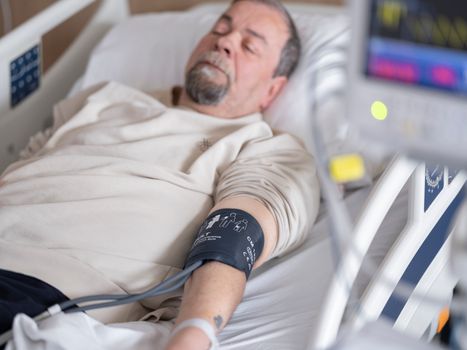
High blood pressure is often called a “silent killer” because it usually presents no symptoms until significant damage has occurred. The American Heart Association defines hypertension as having a blood pressure reading of 130/80 mm Hg or higher. Regular monitoring can be crucial, especially for those at risk.
Common Signs Many Overlook
1. **Frequent Headaches**: While headaches can be common, persistent or severe headaches that don’t respond to typical remedies might indicate underlying hypertension.
2. **Dizziness or Lightheadedness**: If you feel dizzy or lightheaded, particularly when standing up quickly, it could be a sign of fluctuating blood pressure levels.
3. **Vision Problems**: Blurred vision or seeing spots can indicate damage to blood vessels in the eyes caused by high blood pressure.
Ignored Symptoms That Matter
4. **Chest Pain**: While not everyone with high blood pressure experiences chest pain, it can be a warning sign, especially if accompanied by other symptoms.
5. **Fatigue**: Chronic fatigue or a sudden decrease in energy can signal that your heart is working harder than it should due to high blood pressure.
6. **Nosebleeds**: Frequent nosebleeds can be alarming and may suggest that your blood pressure is too high.
Practical Steps to Take Today
To take charge of your health, consider the following actionable steps:
– **Monitor Your Blood Pressure**: Invest in a home blood pressure monitor. Prices range from $30 to $100. Regular checks can help you stay informed.
– **Modify Your Diet**: Incorporating more fruits, vegetables, and whole grains can help lower blood pressure. Try reducing your salt intake to less than 2,300 mg a day.
– **Stay Active**: Aim for at least 150 minutes of moderate-intensity exercise per week. Simple activities like walking or cycling can make a significant difference.
Final Thoughts
Navigating the signs of high blood pressure is essential for your overall health. Recognizing these symptoms early can help you seek medical advice and prevent serious complications. If you notice any concerning signs, don’t hesitate to consult your healthcare provider. Your health is worth it!