What Happened
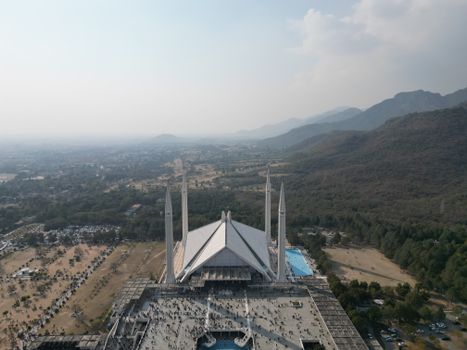
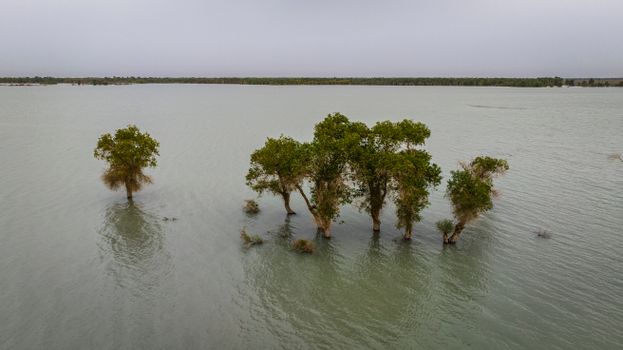
On July 17, 2025, heavy monsoon rains lashed Islamabad and Rawalpindi, resulting in significant flooding concerns. The Nullah Lai, a key waterway in the region, reached alarming levels, surpassing 22 feet at the Katarian area. Residents were alerted by flood-warning sirens as the rain caused swift water accumulation and heightened risks for local communities.
Following the downpour, the rains subsided, leading to a rapid decline in water levels of the Nullah Lai, which had previously posed a severe threat. This weather event has underscored the ongoing challenges faced by urban management in Pakistan’s capital and surrounding areas, particularly during the monsoon season.
Why It Happened
The heavy rains are attributed to the monsoon season, which typically brings intense precipitation to South Asia from June through September. This year, the region has experienced unusual weather patterns, including erratic rainfall and prolonged dry spells, significantly affecting flood management systems that are already strained.
Historically, the monsoon has resulted in flooding in Rawalpindi and Islamabad. In 2022, similar conditions led to devastating floods that displaced thousands and caused millions in damages. This year’s rains have brought renewed fears as infrastructure inadequacies persist, further exacerbated by urban expansion and deforestation in the watershed areas.
What the Data Shows
According to Pakistan’s Meteorological Department, the region received over 150 mm of rainfall in just a few hours during the peak of the storm, which is nearly 30% of the total expected rainfall for the entire month of July. The department also reported that rainfall levels in Islamabad were 40% higher than the monthly average for July, raising alarm over the intensity of this year’s monsoon.
Last year, the National Disaster Management Authority (NDMA) reported over 4,000 incidents related to flooding across Pakistan, resulting in 200 fatalities. The economic impact was estimated at approximately $1 billion in damages. This year, officials are keeping a close eye on water levels and deploying emergency response teams in anticipation of further rainfall.
What Experts Say
No verified expert commentary was available at publication time. We will update this section as statements emerge.
What Happens Next
Residents near the Nullah Lai should prepare for possible flooding and stay informed through official channels. Urban planning agencies are urged to reassess flood management strategies and consider implementing enhanced drainage systems and green infrastructure to mitigate future risks.
Bottom Line
The heavy rains in Islamabad and Rawalpindi highlight the urgent need for improved urban infrastructure to handle monsoon conditions. For residents, staying informed and prepared is crucial as weather patterns continue to evolve.
Source: Read original article