What Happened
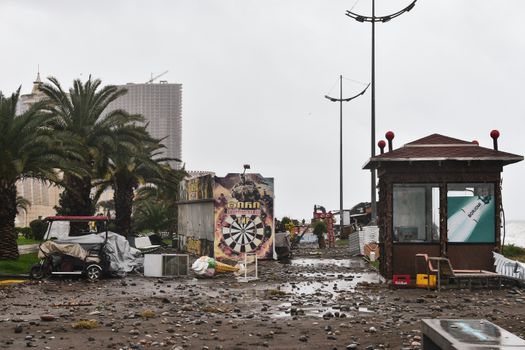
Hurricane Lala has wreaked havoc across Hawaii, leading to significant flash flooding that swept away vehicles and disrupted daily life on multiple islands. As a tropical storm, it has caused authorities to issue warnings, urging residents to prepare for continued adverse weather conditions. The storm has been moving westward, bringing heavy rainfall and strong winds that have already led to emergencies on several islands.
Video footage shared online displays the dramatic moment when a vehicle was engulfed by rushing floodwaters, highlighting the immediate dangers posed by such natural disasters. This incident not only underscores the storm’s intensity but also raises concerns about infrastructure resilience in the face of climate change.
Why It Happened
Tropical storms like Lala are becoming increasingly frequent due to rising ocean temperatures linked to climate change. Warmer waters provide more energy for storms, leading to more intense weather patterns. The National Oceanic and Atmospheric Administration (NOAA) has indicated a troubling trend, noting that the frequency of hurricanes reaching Category 3 status or higher has increased by 25% since the early 1980s.
The topography of Hawaii, with its steep mountains and narrow valleys, exacerbates the situation, as heavy rains can quickly lead to flash floods. Local infrastructure has faced challenges in managing such rapid influxes of water, raising questions about urban planning and disaster preparedness. With Hurricane Lala’s arrival, these vulnerabilities are starkly highlighted.
What the Data Shows
According to the National Hurricane Center, Hurricane Lala is expected to produce rainfall accumulations of 4 to 8 inches in some areas, with localized amounts potentially exceeding 12 inches. The Federal Emergency Management Agency (FEMA) reported that flash flooding is one of the leading causes of storm-related fatalities, accounting for nearly half of all hurricane-related deaths in the past decade.
In terms of economic impact, the NOAA estimates that hurricanes and tropical storms cost the U.S. economy approximately $54 billion annually. With Hawaii being a vital tourism hub, the disruption caused by Lala could have lasting effects on the local economy, particularly in sectors reliant on stable weather.
What Experts Say
No verified expert commentary was available at publication time. We will update this section as statements emerge.
What Happens Next
As Hurricane Lala progresses, residents are advised to stay updated through local weather services and heed evacuation orders if issued. The National Weather Service is monitoring the situation closely, with updates expected every few hours. Community leaders are also working on disaster preparedness measures, including setting up emergency shelters and ensuring access to essential supplies.
In the longer term, discussions about infrastructure improvements and climate resilience are likely to gain traction. Hawaii’s vulnerability to storms necessitates a comprehensive approach to disaster preparedness, which could include revising building codes and enhancing drainage systems.
Bottom Line
Hurricane Lala serves as a stark reminder of the growing threats posed by climate change to vulnerable regions like Hawaii. For residents, staying informed and prepared is crucial as the storm continues to develop.
Source: Read original article