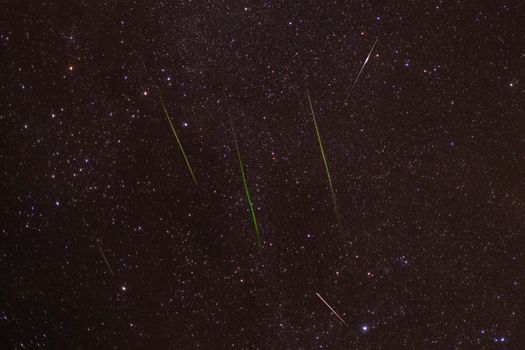
Did you know that the Perseid meteor shower can outshine city lights? It’s true! This week’s celestial spectacle offers a golden opportunity to witness nature’s most dazzling fireworks.
On the night of Wednesday, August 12, stargazers around the world will be treated to a breathtaking display of ‘shooting stars.’ The peak of the Perseids occurs in August every year, but this is your chance to see it at its best!
When to Look Up
The meteor shower is expected to peak shortly after midnight, but don’t worry if you can’t stay up that late. You should start seeing meteors as soon as it gets dark. Grab a blanket, find a cozy spot, and get ready for the show!
Best Viewing Spots
For optimal viewing, escape the city’s light pollution. Head to local parks, open fields, or even your backyard if you can find a dark spot. The less light around you, the better your chances of seeing these celestial wonders.
Remember to lie down and gaze upward. The meteors will be streaking across the sky, and the more comfortable you are, the longer you’ll want to watch!
What Makes the Perseids Special?
The Perseids are not just any meteor shower; they’re renowned for their bright meteors and impressive rates. With up to 100 meteors per hour at their peak, this is one cosmic event you won’t want to miss.
Plus, these meteors originate from the comet Swift-Tuttle, which last passed by Earth in 1992. That’s a connection to the cosmos that makes the experience feel even more extraordinary!
Why This Matters
Witnessing a meteor shower is not just a visual treat; it’s a reminder of our place in the universe. Each streak of light represents cosmic debris burning up in our atmosphere, a tangible sign that we are part of something much larger than ourselves.
The Perseids have captivated humanity for centuries, inspiring wonder and sparking dreams of exploration. So, this isn’t just a casual viewing event; it’s an invitation to connect with the universe!
What Happens Next?
If you miss the Perseid peak, don’t fret! The shower continues to grace our skies for a few days afterward, offering lower rates of meteors but still a chance to catch a glimpse.
So gather your friends or family, pack some snacks, and prepare for a night under the stars. It’s not just a meteor shower; it’s a cosmic celebration!
Source: Read original article