High blood pressure, or hypertension, affects nearly half of U.S. adults, yet many remain unaware of its subtle signs. Ignoring these indicators can lead to serious health issues, including heart disease and stroke. Here’s the thing: understanding how to recognize these signs can be life-saving.
Unexpected Fatigue
Feeling unusually tired? Think again. Chronic fatigue is among the high blood pressure signs that often goes unnoticed. While fatigue can stem from various causes, constant tiredness might indicate your heart is working harder than it should. According to the CDC, the heart of a person with untreated hypertension has to pump excessively, leading to early exhaustion.
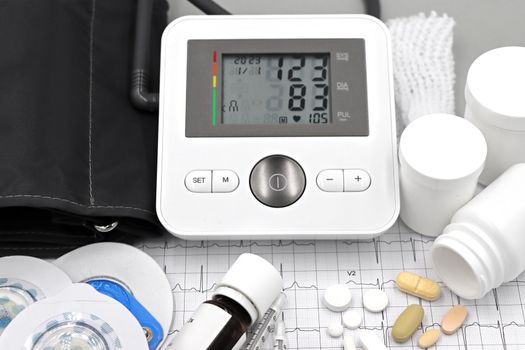
If you frequently find yourself feeling drained, consider checking your blood pressure. You can do this at home with a reliable monitor or at a local pharmacy, often for free.
Headaches that Won’t Go Away
Persistent headaches can herald hypertension. Many dismiss them as stress-related, but if these headaches become a regular occurrence, they may signal high blood pressure. A study published in the *Journal of Hypertension* found that 12% of participants with frequent headaches also had undiagnosed hypertension.
Start keeping a headache diary to track their frequency, duration, and intensity. If they start to correlate with high stress or seem too severe, consult your healthcare provider.
Nosebleeds
Nosebleeds might seem benign, but they can serve as a warning sign. While they can be caused by dry air or allergies, frequent, unexplained nosebleeds may indicate your blood pressure is on the rise. The American Heart Association notes that unusually high blood pressure can damage the delicate blood vessels in the nose.
If you’re experiencing nosebleeds without any clear cause, it’s time for a blood pressure check. Regular screenings are key, especially if you have other risk factors.
Vision Changes
Blurred or double vision is another high blood pressure sign many ignore. Hypertension can lead to damage in the blood vessels of the eyes, causing vision issues. The National Eye Institute reports that hypertension can lead to a condition called hypertensive retinopathy.
If you notice sudden changes in your vision, schedule an eye exam and a blood pressure check. Protecting your sight is vital, and early detection can prevent further damage.
Chest Pain or Discomfort
Chest pain should never be taken lightly. It can signify a heart problem, especially if accompanied by other symptoms like shortness of breath. The American Heart Association warns that chest pain combined with high blood pressure increases the risk of heart disease.
Don’t hesitate to seek immediate medical attention if you experience this. Knowing your blood pressure readings can help provide context during medical evaluations.
Difficulty Breathing
Shortness of breath is often overlooked but is a significant sign of high blood pressure. It can indicate that your heart is struggling to pump blood effectively. According to the Heart Foundation, this may lead to heart failure if not addressed.
If you frequently feel out of breath during normal activities, consider consulting a healthcare provider for a thorough evaluation.
Final Thoughts
Recognizing these high blood pressure signs is crucial for effective management. Start by monitoring your blood pressure regularly. Many pharmacies offer free screenings, and investing in a home monitor can provide added convenience. Consult with a healthcare provider if any of these signs resonate with you. Remember, early intervention can save your life.