What Happened
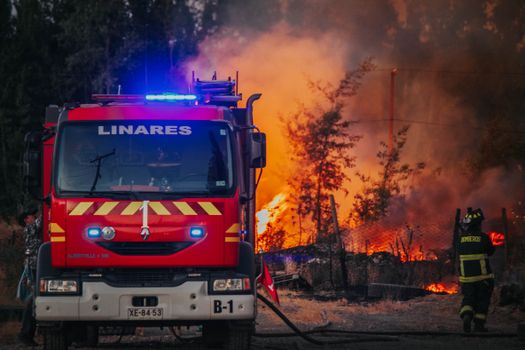
A major wildfire in Belgium has doubled in size over the past three days, wreaking havoc on the Campine nature reserve, a significant ecological area known for its rich biodiversity. Hundreds of firefighters are engaged in efforts to combat the flames, which have spread rapidly due to dry conditions and strong winds.
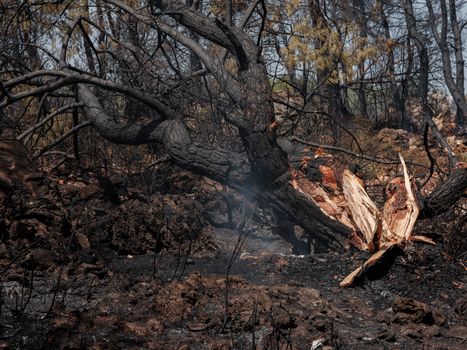
The blaze has consumed approximately 1,000 acres of forest, with emergency services mobilizing extensive resources to contain the fire. The situation is critical as the fire threatens not only the local wildlife but also the air quality in nearby communities.
Why It Happened
Experts attribute the rapid spread of the wildfire to a combination of factors, including an unusually dry summer and rising temperatures across Europe. Belgium has experienced a significant reduction in rainfall this year, with the country facing a 30% deficit according to meteorological data.
This environmental stress is exacerbated by historical land management practices that have left forests vulnerable to such incidents. The Campine region, while rich in biodiversity, has also been affected by climate change, which has led to increased frequency and intensity of wildfires in Europe.
What the Data Shows
Data from the European Environment Agency indicates that wildfires in Europe have increased by 40% over the last decade, highlighting a troubling trend in climate-related disasters. In 2022 alone, wildfires in Belgium accounted for over 600 hectares of burned land, a stark increase from 200 hectares in 2021 (European Commission).
Moreover, a recent study by the University of East Anglia projected that the number of extreme weather events, including wildfires, is likely to rise by up to 50% by 2040 under current climate scenarios. This fire, with its rapid spread, is a stark reminder of that projection.
What Experts Say
No verified expert commentary was available at publication time. We will update this section as statements emerge.
What Happens Next
The immediate focus for local authorities will be on containing the wildfire and preventing it from spreading further. Firefighters are expected to continue their efforts into the coming days, with weather conditions being monitored closely.
In parallel, discussions regarding long-term forest management strategies will be crucial to mitigate future risks. Authorities may implement controlled burns and improved land management practices to enhance the resilience of natural habitats against such events.
Bottom Line
The ongoing wildfire in Belgium serves as a critical reminder of the urgent need for addressing climate change impacts. For residents, it highlights the importance of staying informed about environmental risks and local emergency response strategies.
Source: Read original article