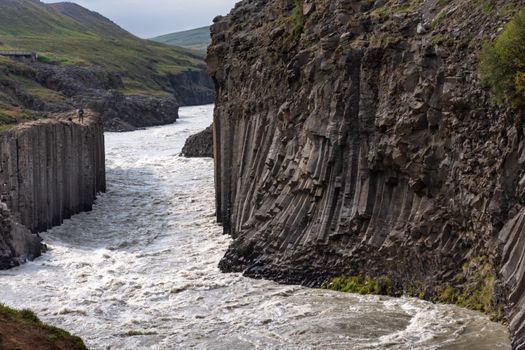
The Rhine, one of Europe’s most crucial waterways, is running dangerously low. As drought grips the continent, the implications are staggering.
What’s Happening?
Recent reports confirm that the water levels of the Rhine, Danube, and Po rivers have hit record lows. This isn’t just a temporary inconvenience; it’s a dire situation affecting trade, energy, and the environment.
The Cost of Low Water Levels
With the Rhine at historic lows, cargo ships struggle to navigate its shallow waters. This disruption in transport routes means that essential goods—everything from oil to food—are now delayed or stranded.
But it’s not just about shipping. Low water levels are also cutting into hydroelectric power generation. Countries relying on river-based energy sources are facing potential blackouts.
Beyond the Rivers
The drought doesn’t stop at transport and energy. It’s wreaking havoc on agriculture, as farmers find irrigation increasingly difficult when rivers dry up. Crops that need consistent water face severe risk, leading to potential food shortages.
Why This Matters
These low water levels represent more than just an inconvenience; they signal a looming crisis. Economic repercussions could ripple through Europe as costs for transportation and energy spike.
Moreover, with climate change contributing to these extreme weather patterns, what’s happening now may be just the tip of the iceberg. The stability of the entire region could be at stake.
What Happens Next?
Governments are scrambling to respond, but immediate solutions are scarce. Without substantial rainfall, many are left wondering how Europe can adapt to this new reality.
As the situation unfolds, we must pay close attention. The choices made today will shape the continent’s future, and we may be witnessing a turning point in our relationship with water and climate.
Source: Read original article