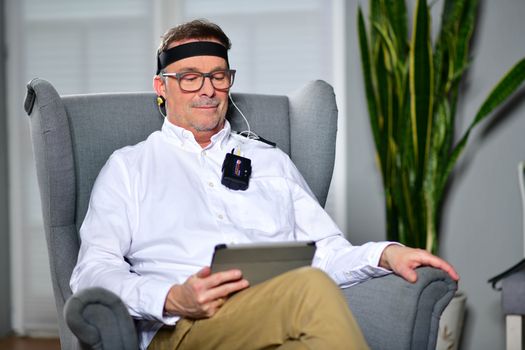
Are We Tapping Into the Mind?
Imagine a world where your thoughts could directly influence machines. Sounds like science fiction? It’s closer to reality than you think.
Recent advances suggest that brain waves could be the key to unlocking next-gen physical technology. Forget the traditional methods of data gathering; it’s time to go deeper—literally.
The Shift from Visual to Neural
Currently, most cutting-edge technology relies heavily on video feeds and images. But as we dive into the uncharted waters of brain activity, we are seeing a paradigm shift.
Researchers are beginning to realize that brain waves offer a rich tapestry of information. They provide insights that conventional camera angles could never capture.
The Role of Brain Wave Readings
What if a machine could read your brain activity to understand your intentions? This could transform the way we interact with technology. Instead of mere commands, machines would learn from the very signals our brains emit.
Think about it: no more clumsy interfaces or complicated controls. Just pure thought translating into action.
Why This Matters
The implications are staggering. If brain waves can be accurately interpreted, it could lead to groundbreaking applications in various fields. From healthcare to robotics, the possibilities are limitless.
Imagine a person with limited mobility controlling a robotic arm merely by thinking about movement. This isn’t just tech talk; it’s potential life-changing solutions.
Challenges Ahead
But let’s not get too ahead of ourselves. There are significant hurdles to overcome. Brain wave readings are often noisy and complex, requiring sophisticated algorithms and models to decode them accurately.
Moreover, ethical concerns surrounding privacy and consent loom large. As we venture into the realm of mind-reading technology, the question of who controls this data becomes paramount.
What Happens Next?
As researchers continue to push the boundaries, we are likely to see more studies focusing on the integration of brain wave data into physical models. This will pave the way for innovative applications that we can’t even fathom yet.
We’re on the brink of a technological renaissance, where our minds could merge with machines. Are you ready for the future?
Source: Read original article