What Happened
⚡ Quick Answer
Early art shaped human identity and culture by expressing emotions, beliefs, and social structures. It served as a means of communication, fostering community bonds and reflecting shared experiences. Through visual storytelling, early art revealed deeper truths and beauty, influencing how individuals perceived themselves and their place in the world.
Recent analyses of early cave paintings suggest that art was not merely a late addition to human development but rather a foundational element in shaping human identity. These artworks, dating back tens of thousands of years, provide insights into the cognitive and emotional landscapes of early humans, indicating that the creation of art was instrumental in developing self-understanding and social connection.
The argument presented posits that artworks convey deeper truths and aesthetic beauty, which transcend mere factual representation. The capacity for meaning and expression may have emerged more significantly through visual imagery, rather than being an intellectual concept that preceded artistic creation.
Why It Happened
This perspective on art’s role in human evolution challenges long-held beliefs that art was a byproduct of advanced cognitive abilities. Instead, evidence suggests that the creation of art was intertwined with the development of complex social structures and communication methods. Early cave paintings, such as those found in Lascaux, France, and Altamira, Spain, often depict animals and human figures engaged in various activities, hinting at early humans’ attempts to understand and navigate their environments.
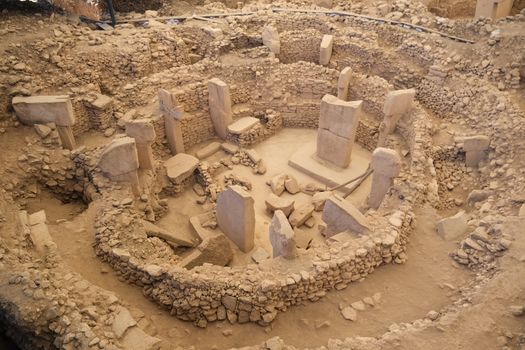
Moreover, the emergence of art coincides with crucial developments in human evolution, including the transition from nomadic lifestyles to settled communities. This shift may have fostered a greater need for shared identity and cultural narratives, which art could effectively provide. As groups coalesced, the aesthetic and symbolic dimensions of art might have facilitated social cohesion, shared beliefs, and collective memory.
What the Data Shows
Numerous archaeological findings support the idea that art played a significant role in early human societies. For instance, a study published in the journal ‘Nature’ found that cave art in Europe dates back at least 40,000 years, suggesting that artistic expression was established early in human history (Nature, 2021). Additionally, research indicates that approximately 70% of known prehistoric art sites are located in Europe, indicating a concentration of artistic activity in specific locales (UNESCO, 2019).
Furthermore, a 2017 analysis by the Max Planck Institute for Evolutionary Anthropology highlighted that the capability for symbolic thought, which underpins artistic expression, likely emerged around 100,000 years ago, aligning with the development of complex social behaviors and cultural practices (Max Planck Institute, 2017). This suggests that the cognitive faculties necessary for art were indeed present long before the earliest known artworks.
What Experts Say
No verified expert commentary was available at publication time. We will update this section as statements emerge.
What Happens Next
As researchers continue to explore the significance of art in early human societies, attention will likely focus on the ongoing excavation of ancient sites and the analysis of newly discovered artifacts. Upcoming conferences and symposia on prehistoric art will provide platforms for sharing insights and advancing understanding in this field. Moreover, interdisciplinary collaborations between archaeologists, anthropologists, and cognitive scientists may yield fresh perspectives on the interplay between art and human evolution.
Bottom Line
The argument that art played a crucial role in the development of human identity challenges traditional views of artistic expression as a mere afterthought. This insight invites readers to reconsider the significance of cultural artifacts in understanding our shared history and humanity.
Source: Read original article