What Happened
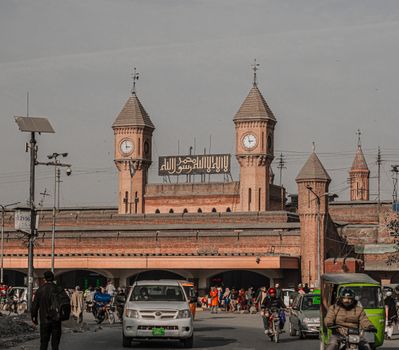
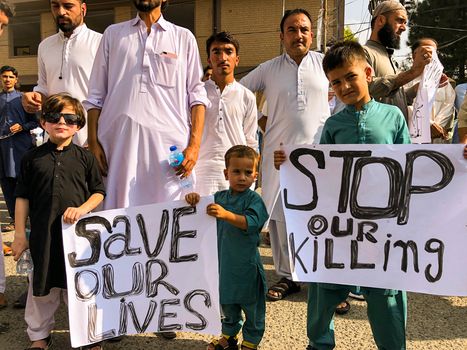
For the fourth consecutive day, supporters of the Jamaat-e-Islami (JI) party have staged sit-ins in major cities across Pakistan, including Lahore, Karachi, Quetta, and Peshawar. The protests, primarily held on Lahore’s Mall Road, are a response to the government’s decision to impose a petroleum levy amidst spiraling inflation that has severely impacted the purchasing power of ordinary citizens.
Liaquat Baloch, the JI’s Secretary General, criticized the federal government’s handling of the economic crisis, asserting that it has failed to deliver on promises made to the public. These demonstrations aim not only to voice discontent over the petroleum levy but also to highlight broader economic grievances affecting the country.
Why It Happened
The protests stem from ongoing economic challenges in Pakistan, where inflation rates have surged to alarming levels. According to the Pakistan Bureau of Statistics, the inflation rate hit 27.6% in August 2023, up from 20.3% in July, marking a significant burden for consumers reliant on essential goods.
The petroleum levy, which is part of the government’s effort to meet revenue targets set by the International Monetary Fund (IMF) as a condition for ongoing financial support, has been particularly contentious. The government’s move to increase the levy by 10% has stirred public ire, especially in a country where fuel prices directly affect transport costs and, consequently, the prices of goods and services.
What the Data Shows
Data from the Pakistan Bureau of Statistics indicates that the Consumer Price Index (CPI) has risen steeply, with food inflation alone reaching 36% in August 2023, making basic necessities increasingly unaffordable for many families. This spike in prices is exacerbated by ongoing political instability and a depreciating currency, which has lost approximately 18% of its value against the US dollar this year, according to the State Bank of Pakistan.
Furthermore, the IMF has projected that Pakistan’s economy will contract by 0.4% in 2023 if the current fiscal policies remain unchanged, underscoring the critical need for reforms that are both effective and sensitive to the socio-economic realities faced by the populace.
What Experts Say
No verified expert commentary was available at publication time. We will update this section as statements emerge.
What Happens Next
As the protests continue, the government faces increasing pressure to address public concerns. Observers are watching closely to see if the JI will escalate its actions or if the government will respond with concessions to quell the unrest. The upcoming budget discussions and the anticipated meeting with IMF representatives will be critical junctures that may influence both government policy and public sentiment.
Additionally, with local elections on the horizon, political analysts expect the ruling party may reconsider its stance on the petroleum levy to mitigate backlash and maintain electoral viability. Citizens should be alert for potential changes in fuel prices and other tax policies as these discussions unfold.
Bottom Line
The ongoing sit-ins reflect a deepening discontent with government policies amid a severe economic crisis. For ordinary citizens, this means a continued struggle with rising costs and uncertainty about future financial stability.
Source: Read original article