What Happened
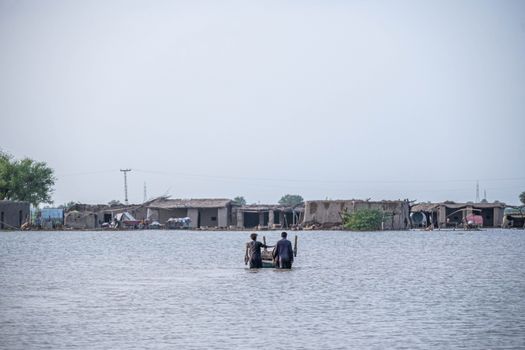
On July 17, 2026, heavy monsoon rains caused significant flooding in Rawalpindi and Islamabad, particularly affecting the Mukha Singh Estate road. Residents were seen wading through floodwaters as the Nullah Lai river swelled dangerously, prompting emergency drainage operations on low-lying roads.
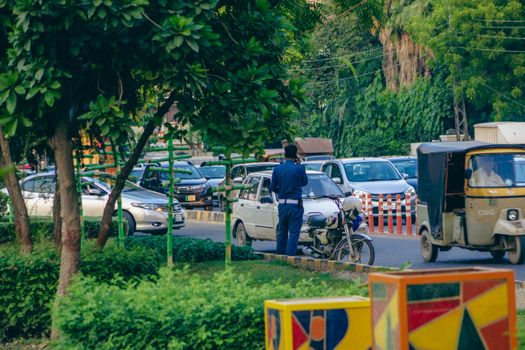
Despite initial concerns, the water levels in Nullah Lai later receded. However, the immediate impact of the torrential rain disrupted daily life, leading to traffic headaches and concerns over infrastructure resilience in the face of extreme weather.
Why It Happened
This flooding event is part of a larger pattern of intensified monsoon rains, attributed to climate change and urbanization. Over the last decade, Pakistan has experienced a rise in extreme weather events, with monsoon seasons becoming increasingly erratic.
Additionally, urban development has encroached upon natural waterways, exacerbating flood risks. The rapid expansion of Rawalpindi and Islamabad, with inadequate drainage systems, has left many areas vulnerable to flooding during heavy rainfall.
What the Data Shows
According to Pakistan’s Meteorological Department, monsoon rains in July 2026 exceeded averages by over 30%. In fact, the region experienced approximately 150 mm of rainfall in less than 24 hours, a statistic that highlights the severity of this weather event.
Moreover, a 2023 report from the World Bank indicated that Pakistan faces a 50% increase in flood risk due to climate change projections. With urban areas like Rawalpindi and Islamabad home to over 2 million residents, the implications of flooding pose significant threats to public safety and infrastructure.
What Experts Say
No verified expert commentary was available at publication time. We will update this section as statements emerge.
What Happens Next
Moreover, the government may accelerate discussions on long-term flood management strategies, which could involve better urban planning and the enhancement of drainage systems in vulnerable areas.
Bottom Line
This flooding episode in Rawalpindi and Islamabad underscores the urgent need for improved infrastructure and disaster preparedness in Pakistan. For residents, this means staying informed about weather updates and being prepared for potential future disruptions.
Source: Read original article