What Happened
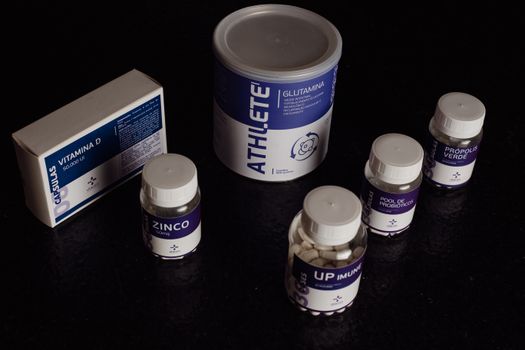
In the competitive world of elite sports, athletes increasingly turn to dietary supplements to achieve marginal gains in performance. From protein powders to creatine and amino acids, the range of supplements is extensive, with each product claiming to enhance strength, endurance, or recovery. This trend has sparked debates about safety, regulation, and the ethical implications of supplement use in sports.
According to a recent survey by the International Society of Sports Nutrition, over 70% of athletes reported using some form of dietary supplement, highlighting the normalization of this practice within competitive circles. The supplements are often marketed as essential tools for athletes aiming to push beyond their physical limits.
Why It Happened
The pursuit of marginal gains has become a defining characteristic of modern sports, with athletes and their teams leaving no stone unturned in the quest for improved performance. This trend can be traced back to the early 2000s when the concept of “marginal gains” gained traction, particularly within cycling and other endurance sports. Athletes began recognizing that small improvements could result in significant performance advantages over competitors.
Furthermore, the rise of sports science and nutrition has contributed to the surging popularity of supplements. As research has advanced, athletes are increasingly aware of how nutrition impacts performance. Brands have capitalized on this knowledge, flooding the market with products that promise to enhance athletic ability, often with little regulation regarding efficacy or safety.
What the Data Shows
Data from the National Institutes of Health indicates that the global sports nutrition market is projected to reach $45 billion by 2025, reflecting the growing demand for supplements among athletes (NIH). In a 2021 study published in the Journal of the International Society of Sports Nutrition, 50% of collegiate athletes reported using protein supplements, with a significant percentage also using creatine and branched-chain amino acids (BCAAs) (ISSN).
Moreover, a recent report by the Anti-Doping Agency reveals that 25% of elite athletes have unintentionally consumed banned substances through contaminated supplements (WADA). This statistic raises serious concerns about the safety and integrity of the supplement industry, as athletes risk their careers by consuming unregulated products.
What Experts Say
No verified expert commentary was available at publication time. We will update this section as statements emerge.
What Happens Next
Bottom Line
The use of supplements among athletes is a growing trend that raises important questions about safety and regulation. For aspiring athletes and fitness enthusiasts, understanding the benefits and risks associated with these products is crucial in making informed decisions about their health and performance.
Source: Read original article
How to evaluate a supplement safely
Elite-athlete routines are not automatically appropriate for every reader. Before adding a supplement, check whether it solves a specific dietary gap, review the evidence for the stated benefit, and discuss medication interactions or health conditions with a qualified clinician. Athletes subject to drug testing should also use products that have been independently batch-tested and keep records of what they take.
A useful starting point is food, sleep, training load, and recovery habits; supplements should support those foundations rather than replace them.