Wales Is Facing Its Driest July in Nearly 190 Years
Imagine waking up to parched fields and empty reservoirs. That’s the reality in Wales this month as the country braces for its driest July in nearly 190 years.
The situation is so severe that officials have declared a drought across the entire region, leaving farmers, wildlife, and everyday residents in a state of alarm.
What Led to This Crisis?
This unprecedented dry spell is not just an anomaly; it’s the result of a series of weather patterns that have left much of the UK reeling. With rainfall levels plummeting and temperatures soaring, Wales is grappling with conditions that could reshape its landscape.
Experts are concerned that this isn’t just a short-term issue. The long-term effects of climate change are becoming increasingly evident, and Wales is on the frontline.
The Consequences Are Far-Reaching
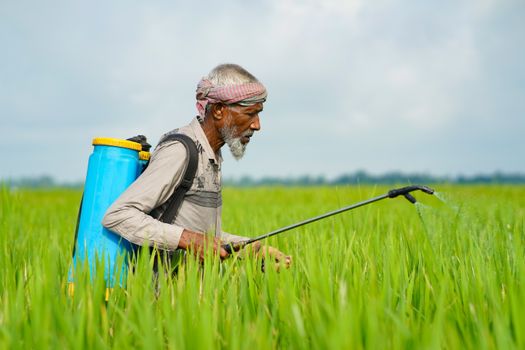
What does this mean for the people of Wales? For starters, farmers are facing crop failures, which could lead to food shortages and higher prices. The agricultural sector is vital to the Welsh economy, and this drought could have ripple effects for months to come.
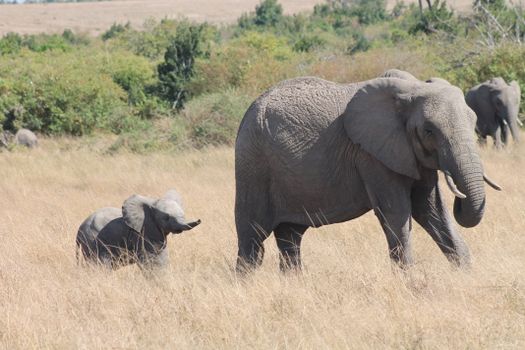
Moreover, wildlife is suffering as habitats dry up. Rivers are running low, putting fish and other aquatic life in jeopardy.
Why This Matters
The drought in Wales serves as a stark reminder of the challenges posed by climate change. If we don’t take action now, we could face similar situations elsewhere.
Communities need to come together to find solutions. Water conservation efforts and sustainable practices can help alleviate some of the pressures caused by such extreme weather.
What Happens Next?
The Welsh government is mobilizing resources to address the crisis, but immediate relief is uncertain. Residents are urged to conserve water and report any potential issues.
As we move through this unprecedented summer, the question remains: how will Wales adapt? The actions taken today may very well determine the state’s environmental and economic health for years to come.
Source: Read original article