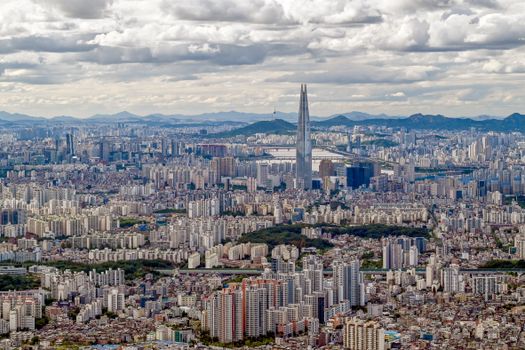
South Korea just shattered its record for the hottest day ever, hitting a staggering 41.1°C (106°F). It’s not just a blistering summer—it’s a harbinger of what’s to come.
This extreme heat isn’t an isolated incident. Globally, heatwaves are on the rise, and scientists warn this trend is a direct consequence of human-induced climate change.
The Unbearable Heat
On this record-breaking day, South Koreans struggled with power outages and health emergencies. Many experienced heat-related illnesses, and the government had to issue urgent safety warnings.
The heatwave gripping South Korea is part of a broader pattern felt across continents. Countries from Europe to North America are reporting soaring temperatures, breaking records set only a few years ago.
A Global Crisis
What’s happening in South Korea is not just a local problem; it’s a glimpse into our future. Researchers emphasize that such extreme weather events are becoming more frequent. In simple terms, the climate crisis is intensifying.
Heatwaves are projected to worsen, with scientists predicting that summer temperatures could rise drastically in the coming decades if current trends continue. This isn’t just about discomfort; it’s about survival.
Why This Matters
Extreme heat affects everything from agriculture to public health. Crops are suffering, leading to food shortages and spikes in prices. Vulnerable populations, especially the elderly and those with pre-existing health issues, are at greater risk.
Moreover, intense heat can lead to increased air pollution, worsening respiratory problems. The burden on healthcare systems will be monumental unless immediate actions are taken.
What Happens Next?
So, what can we expect moving forward? If nations don’t take decisive action against climate change, record-breaking temperatures like those seen in South Korea will become the norm rather than the exception.
We need urgent policies to cut carbon emissions and invest in renewable energy. But individual actions matter too—reducing energy consumption and supporting sustainable practices can make a difference.
As citizens, staying informed and engaged in climate advocacy can help drive change. This isn’t just South Korea’s issue; it’s a global crisis that requires a collective response.
Source: Read original article