Over the past week, Ceuta—a tiny Spanish enclave on the North African coast—has become the epicenter of a dramatic migrant crisis, forcing Europe to confront its conscience.
As thousands of migrants risk their lives to cross into the EU, Italy has taken a bold step: suspending the Schengen agreement with Spain. This shocking move has sent ripples through Europe, sparking fierce debates about solidarity, responsibility, and what it really means to be part of the EU.
The Shocking Reality in Ceuta
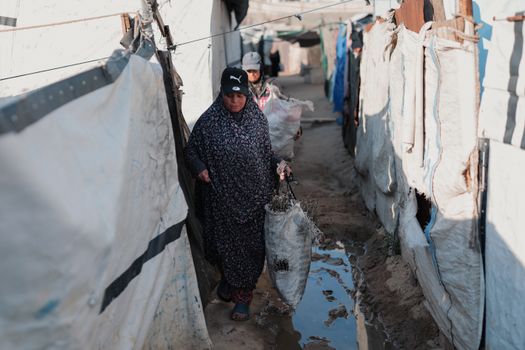
Images of overcrowded detention centers and desperate families flooding into the Spanish city have shocked many. Prime Minister Giorgia Meloni of Italy described the scenes as “shocking,” calling attention to the urgent humanitarian crisis unfolding at the borders.
But it’s not just about the numbers. It’s about the lives behind those numbers—people fleeing war, poverty, and hopelessness, risking everything for a chance at a better future.
Europe’s Divided Response
Italy’s suspension of the Schengen agreement complicates an already dire situation. This agreement, which allows for free movement across many European countries, is now under threat due to disagreements about how to handle the influx of migrants.
Critics have labeled Italy’s decision as ‘selfish’, arguing that the burden of migration should be shared more equally among EU nations. They point to the need for a comprehensive and compassionate approach, rather than a patchwork of temporary solutions.
What Happens Next?
So, what does this mean for ordinary Europeans? Tensions are likely to rise as nations grapple with their responsibilities and the morality of their choices. With elections looming in several countries, politicians may use the migrant crisis to rally support or deflect criticism.
If the EU cannot find common ground, we might see a return to harsher border controls and a rise in anti-immigrant sentiment. This could ultimately fracture the very foundations of the European Union.
Why This Matters
The situation in Ceuta is about more than just migration; it’s a litmus test for the future of Europe. Will the continent stand united in the face of crisis, or will it fracture under the weight of ‘selfish’ politics?
This moment represents a crossroads for the EU—a chance to reaffirm its commitment to human rights or to retreat into isolationism. The decisions made in the coming weeks will shape the future of countless lives and the European project itself.
Source: Read original article