Did you know nearly half of American adults have high blood pressure, yet many remain unaware? This silent killer can cause serious health issues, including heart disease and stroke. Understanding the high blood pressure signs that often go ignored is crucial for early intervention.
Frequent Headaches: A Warning Sign
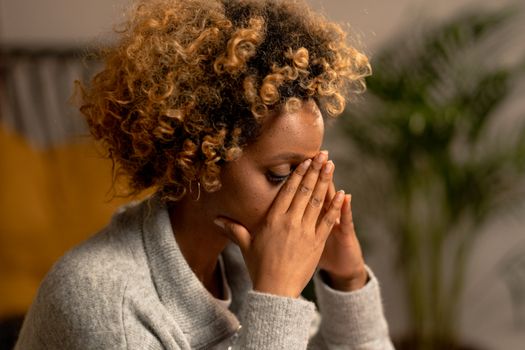
Many people brush off headaches as everyday stress or fatigue. However, persistent headaches can signal elevated blood pressure. Research shows that about 40% of individuals with hypertension report frequent headaches. If you find yourself experiencing unexplained headaches, it’s time to check your blood pressure.
Dizziness and Lightheadedness: Don’t Ignore These Symptoms
Feeling dizzy or lightheaded can be attributed to dehydration or fatigue. However, these symptoms can also indicate high blood pressure. When your blood pressure spikes, it can affect the blood flow to your brain, causing these sensations. If you experience these symptoms regularly, consult a healthcare professional to rule out hypertension.
Blurred Vision: A Silent Indicator
Blurred vision is often dismissed as a sign of eye strain or aging. However, it can also be a symptom of high blood pressure. High blood pressure can damage blood vessels in the retina, leading to vision problems. If your eyesight becomes suddenly blurry, don’t delay; schedule an eye exam and blood pressure check.
Shortness of Breath: A Hidden Red Flag
Feeling short of breath during everyday activities can be alarming. While it may be related to physical fitness, it could also indicate cardiovascular issues stemming from high blood pressure. If you find yourself winded after minimal exertion, get your blood pressure checked and discuss your symptoms with a healthcare provider.
Chest Pain: Time for Immediate Action
Chest pain is a symptom that should never be ignored. It can indicate serious health risks, including high blood pressure-related complications. When blood pressure reaches dangerously high levels, it can strain the heart. If you experience chest pain, seek immediate medical attention.
Frequent Nosebleeds: A Less Common Sign
Nosebleeds are often attributed to dry air or allergies. However, frequent nosebleeds can indicate high blood pressure as well. When blood vessels in the nasal passages rupture due to elevated pressure, it can result in bleeding. If you notice an increase in nosebleeds, consider having your blood pressure measured.
Fatigue and Confusion: The Overlooked Symptoms
Feeling unusually tired or confused can be misattributed to a busy lifestyle. However, these can also be signs of high blood pressure affecting your brain. When blood flow is compromised, cognitive functions can decline. If fatigue or confusion persists, it’s wise to get a blood pressure assessment.
Bottom Line: Stay Proactive About Your Health
Recognizing the high blood pressure signs most people ignore is vital for early detection and prevention. Take charge of your health today by monitoring your blood pressure regularly. Lifestyle changes, including a balanced diet and regular exercise, can significantly impact your blood pressure levels. Don’t wait for serious symptoms to arise; consult a healthcare professional if you notice any of these signs.