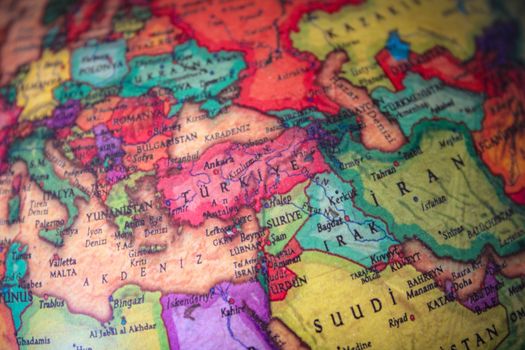
In a stunning turn of events, President Trump has thrown a wrench in the works of military planning. He announced that strikes on Iran are off—at least for now. But what led to this sudden change of heart?
Why Did Trump Hit Pause?
According to Trump, the leaders of Iran and several Middle Eastern nations reached out to the U.S. with urgent pleas to postpone any military action. They claim the outlines of a deal were already being forged.
This unexpected diplomatic outreach raises eyebrows. After months of escalating tensions, why now? The notion of ‘perimeters’ for a potential agreement hints at behind-the-scenes negotiations that could reshape the region.
What’s in Play?
It’s not just Iran in the mix. Other regional players are reportedly involved, signaling a broader scope of interest in maintaining stability. Trump’s decision to delay strikes could reflect a strategic pivot, aiming to leverage diplomacy over military force.
Observers are watching closely. The dynamics in the Middle East are notoriously complex, and any hint of a deal could shift alliances and power balances.
Why This Matters
The implications of Trump’s decision are vast. A military strike on Iran could have triggered retaliation, leading to a wider conflict that would engulf the region.
By pulling back, the U.S. opens a door—however narrow it may be—for negotiations that could ultimately promote peace. But skepticism remains high. Can these talks produce real change, or are they just a temporary reprieve?
What Happens Next?
With the potential for a deal on the table, all eyes will be on Washington and Tehran. Will they seize this opportunity to negotiate a lasting resolution?
As Trump’s administration navigates these turbulent waters, the world will hold its breath. The stakes are high, and the clock is ticking. Will this pause lead to a breakthrough, or will tensions reignite once again?
Source: Read original article