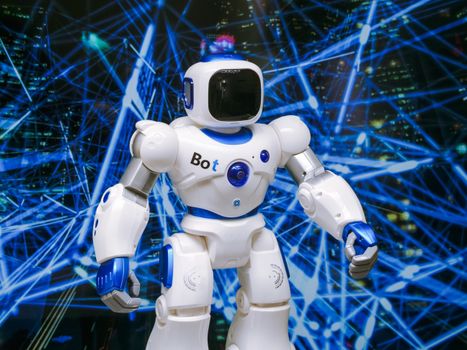
In a bold move that could reshape the tech landscape, the US government just announced a ban on foreign-made advanced robotic devices. This isn’t just a minor adjustment; it’s a significant shift aimed at China and its burgeoning robotics sector.
The Federal Communications Commission (FCC) revealed this sweeping ban includes a variety of mobile robots, from humanoid models that catch our eyes on social media to quadrupeds that mimic the agility of animals. It’s a clear message: the US is tightening the reins on foreign tech.
What Does This Mean for China?
China has been at the forefront of robotics innovation, rolling out humanoid robots that dance, engage in martial arts, and even flirt with viral fame. Companies like Unitree have brought us viral sensations, showcasing robots that stumble to Michael Jackson and participate in MMA fights.
Now, this ban could put a severe damper on those ambitions. The US is not just trying to limit imports; it’s signaling a competitive stance in the global robotics race. As tensions rise, the implications of this ban extend far beyond the marketplace.
Why This Matters
For consumers and tech enthusiasts, this ban means fewer options on the market. The US has long been a hub for technological advancement, and limiting foreign imports could stifle innovation. Imagine a world where the coolest robotic pets or advanced helpers aren’t just a click away because of trade restrictions.
Moreover, this move is likely to ignite further tensions between the US and China, two of the world’s largest economies. As both nations invest heavily in their respective technologies, the battleground for dominance is shifting more towards robotics, AI, and automation.
What Happens Next?
The immediate impact will be felt by companies like Unitree and others that rely on the US market for growth. They may scramble to adapt, whether by shifting production or exploring new partnerships.
Long-term, we could see a shift in innovation hubs. China may accelerate its own initiatives to develop cutting-edge robotics independently, while US companies might focus on homegrown solutions.
As this landscape evolves, consumers should brace for changes. The robots of tomorrow might look different — both in design and functionality — if the US continues down this path.
This isn’t just about robots; it’s about the future of technology as we know it.
Source: Read original article